
THE NCAA DOESN’T GET TO TALK ABOUT GAMBLING INTEGRITY
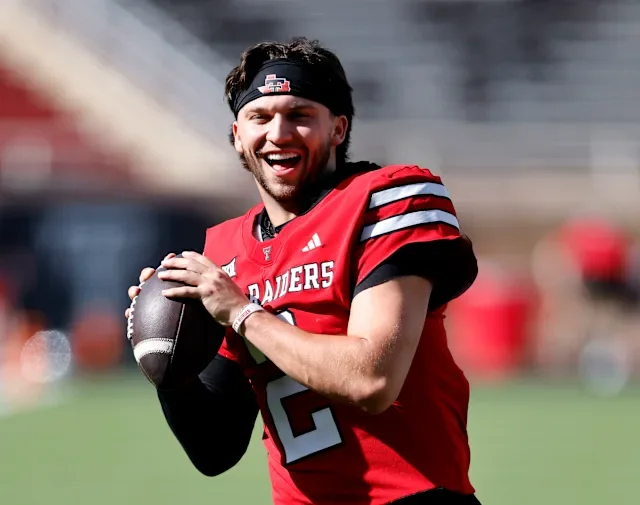
Brendan Sorsby placed 40 bets on Indiana football games. The total amount wagered on those bets was approximately $850. He never bet on a single game he played in.
For that, the NCAA tried to permanently end his career.
Now I am not here to say that Sorsby is not in the wrong. He clearly is. The NCAA has a strict no gambling rule, which he broke, and for that he should face consequences.
However, the point of the rule is so that the integrity of the game is not questioned. The NCAA claiming to care about integrity is the most hypocritical argument I have ever seen. In 2026, $3.3 billion was wagered on NCAA basketball tournaments alone. Almost double what was wagered on the Super Bowl. That figure is not from a critic of the NCAA. It is cited in Sorsby's own court filing.
The court documents tell the fuller story. Across four years, Sorsby placed roughly 9,000 bets totaling $90,000 on Turkish basketball, Romanian soccer, obscure tennis matches, and Nathan's Hot Dog Eating Contest. He was, by the court's own acknowledgment, dealing with a gambling addiction and an anxiety disorder. A Tarrant County judge (Houston Law graduate) looked at the NCAA's permanent ban and called it what it was: an irreparable injury that couldn't be justified while the legal process played out. Sorsby will play for Texas Tech this fall.
The NCAA responded by positioning itself as the guardian of competitive integrity. That argument would carry more weight if the NCAA weren't actively selling the game to the same industry it claims to be protecting it from.
In April 2025, the NCAA signed a deal with Genius Sports making them the exclusive distributor of official NCAA data to licensed sportsbooks through 2032. That includes March Madness. The NCAA is literally selling the statistical infrastructure of its own games to gambling companies so those companies can build better betting products. This is not an organization at war with gambling. This is an organization monetizing it.
The NCAA even commissioned its own study finding that 78% of bettors were more likely to watch a game they had wagered on. They did not bury that finding. They used it. More bettors means more eyeballs, more advertising revenue, and more media rights dollars. The NCAA understood exactly what the gambling ecosystem was doing for its bottom line and leaned into it.
The broadcast side tells the same story. DraftKings holds sponsorship and integration rights across NCAA football and basketball through its multi-year deal with NBCUniversal. ESPN launched its own branded sportsbook. During college football bowl games, one out of every 16 minutes of airtime referenced gambling in some form. Schools were running their own sportsbook sponsorship deals until the American Gaming Association pulled the plug in 2023, including LSU, which was caught sending gambling promotional emails to its student body, including underage students.
And then there is the University of Arizona, which in November 2025 renamed its football stadium Casino Del Sol Stadium in a $60 million deal with a luxury resort and casino. Student-athletes at Arizona now take the field under a casino's name. The NCAA had nothing to say about that.
The NCAA spent years arguing that gambling threatened the integrity of college athletics. Then it built a revenue stream off of it.
Sorsby is being made an example in a system that profits from the exact behavior it punished him for. He gambled compulsively as a college student who was not playing, on games that had no connection to his performance on the field. Sorsby's own legal filing described the NCAA's position as "deeply hypocritical," and it is hard to argue otherwise. The organization trying to erase his eligibility signed a data deal with sportsbooks, presided over $3.3 billion in tournament wagering, and watched a member school put a casino's name on its stadium.
Now is Sorsby in the right? I would not say that. My point is the NCAA is at just as much fault in this whole situation as Brendan Sorsby.
The integrity argument does not hold. It never did.
